Why Your Drills Are Failing You - and How to Fix Them for Real Results
Let’s face it: you’ve seen it happen. You’ve probably even felt it yourself. You’re in the dojo or gym, grinding through a drill - 10 kicks with the right leg, 10 with the left, then swap with your partner.
Halfway through, your mind drifts.
Your technique softens. You’re just going through the motions, waiting for your turn to end. Sound familiar? It’s not just you - it’s everyone, from white belts to seasoned black belts. And it’s not your fault. It’s the way most martial arts drills are taught.
I’ve trained fighters, law enforcement, and instructors across the globe, and I’ve seen this problem at every level: drilling, as it’s traditionally done, is broken. It’s boring. It’s mindless. And worst of all, it’s not making you better - it’s just wasting your time.
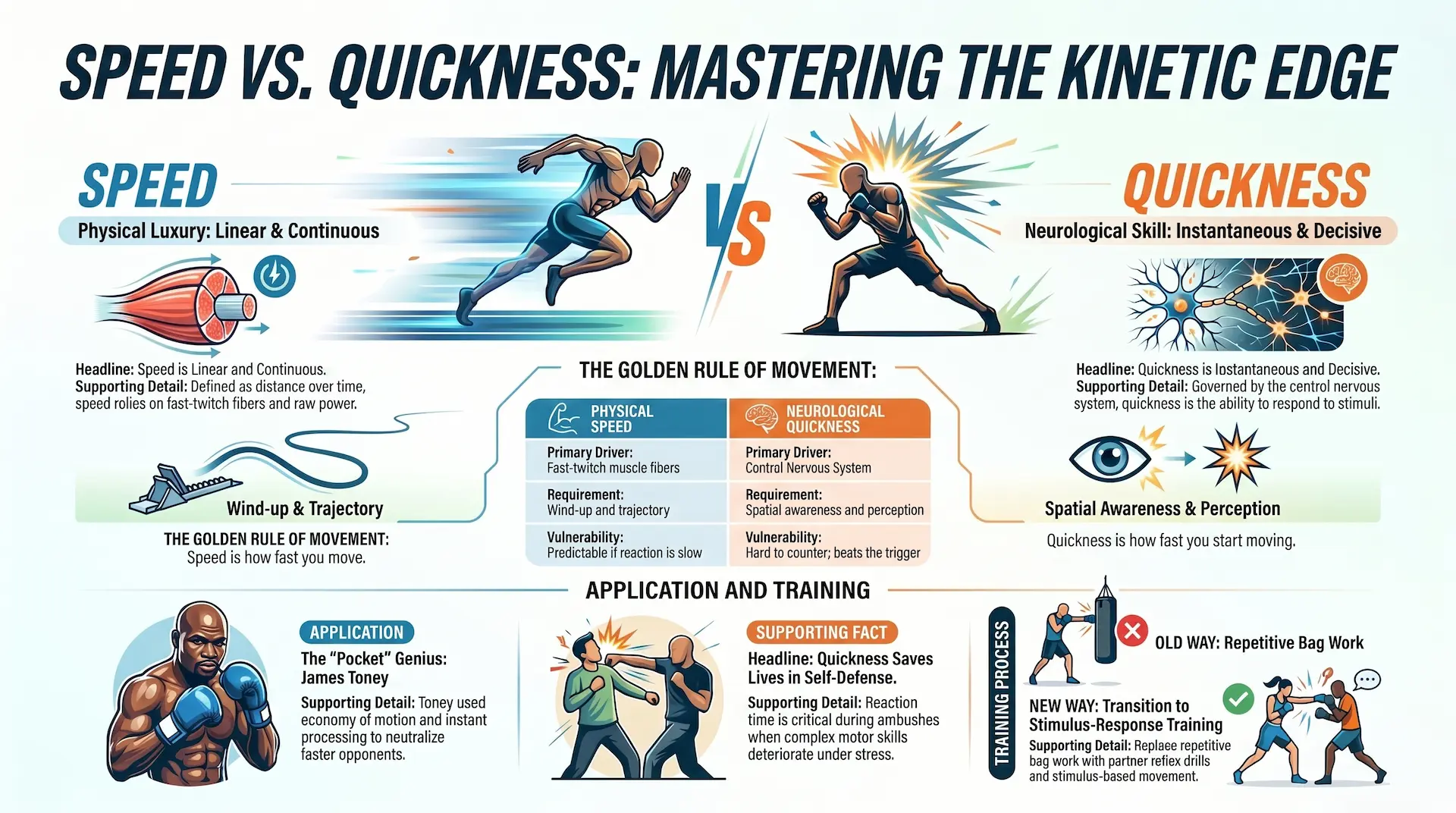
Why does this happen? Because the way most people teach drills ignores the human element: our need for purpose, engagement, and real-time feedback. Repetitive, isolated exercises like “10 kicks, switch” turn training into a chore instead of a dynamic process of growth.
But it doesn’t have to be that way. There’s a better approach - one that sharpens your skills, keeps you focused, and turns your partner into your greatest asset rather than just a bystander.
The Purpose of a Drill: More Than Just Repetition
Drills aren’t about mindlessly racking up reps. They’re not a test of endurance or a box to check off in your training log. Done right, a drill is a tool - a precision instrument designed to do three critical things:
1. Improve Existing Technique: Every punch, kick, or block should refine what you already know, making it faster, stronger, and more instinctive.
2. Correct and Strengthen Weaknesses: A good drill exposes flaws - whether it’s a lazy guard, poor footwork, or a telegraphing jab - and gives you the chance to fix them.
3. Leverage Your Partner as a Learning Ally: Your training partner isn’t just a target or a placeholder. They’re an active participant in your growth - and you in theirs.
The problem with the old “10 kicks and switch” method is that it achieves none of this.
It’s static. It’s one-sided. The kicker might be working (barely), but the partner?
They’re just standing there, counting down the seconds until it’s their turn. No one’s learning. No one’s improving. And the coach? Too often, they’re off in the corner, distracted, instead of guiding the process.
The Partner Principle: A Game-Changer for Effective Drilling
Here’s where the shift happens. Imagine this: you’re throwing a jab at your partner, and they’re tasked with defending it. You land the punch. Instead of resetting and moving on, you pause. You analyze. You say, “Your guard was too low - that’s why I got through.” Your partner adjusts, and you go again. This time, they block it. Now it’s their turn to speak: “You’re dropping your shoulder before you punch - that’s how I saw it coming.” You tweak your form, and the drill continues.
What’s happening here? You’re both learning. You’re both engaged. The attacker hones their strike, the defender sharpens their reaction, and together you troubleshoot in real time. It’s not just repetition - it’s evolution. Every rep builds on the last, and every exchange makes you better.
This is the core of what I call the Partner Principle. It’s a drilling philosophy I’ve refined over decades, from coaching Cambodian boxers to teaching pressure point tactics to law enforcement. It’s simple but powerful: both sides of the drill - attacker and defender - must actively contribute to the learning process. At the end of each round, you debrief. What worked? What didn’t? You share perspectives, not as critics, but as collaborators invested in each other’s success.
The Coach’s Role: From Observer to Architect
None of this works without a coach who’s in the game. As an instructor - recognized by the Martial Arts Hall of Fame and Combat Hall of Fame - I’ve seen too many coaches treat drilling like a break time. They set the exercise, then step back, letting students fumble through it alone. That’s not coaching - that’s babysitting.
A real coach is the architect of the drill. They observe every move, every mistake, every success. They step in with corrections - not just pointing out what’s wrong, but demonstrating how to fix it. Then they watch again, ensuring the adjustment sticks. When I train fighters, I’m not on the sidelines - I’m in the thick of it, guiding, refining, and pushing. That’s how you turn a drill from a mindless slog into a transformative experience.
Why This Matters for Men Over 40
If you’re over 40, like many of my students, you’re not here to waste time. You’re training for a reason - self-defense, confidence, or just to prove you’ve still got it. You don’t have the luxury of endless hours in the dojo, and you can’t afford to plateau. Traditional drilling might’ve been fine when you were 20 and could brute-force your way through boredom, but now? You need efficiency. You need results.
That’s what this approach delivers. By making every drill purposeful, interactive, and coach-driven, you maximize every minute you spend training. You’re not just throwing kicks - you’re mastering them. You’re not just blocking punches - you’re decoding them. And you’re doing it with a partner who’s as invested in your progress as you are in theirs. This isn’t kid stuff - this is martial arts for grown men who demand more.
The Challenge: Rethink Your Training Today
Next time you step into a training session, ask yourself: Am I really getting better, or am I just counting reps?
If it’s the latter, it’s time to change.
Demand more from your drills.
Engage your partner.
Insist on a coach who’s present and proactive. You’ve got the experience, the discipline, and the drive - now use them to train smarter, not just harder.
I’ve spent my career - proving that martial arts isn’t about going through the motions. It’s about results. It’s about mastery. And it starts with rethinking the way you drill.
So, grab a partner, set a purpose, and make every rep count. Your skills - and your time - deserve nothing less.